




The debate around whether brands should focus on “doing good” or simply selling products continues to shape modern marketing. At the heart of this conversation is the growing emphasis on purpose-driven campaigns, something increasingly recognized in effectiveness awards like the Effies. The question many marketers now face is simple: does social good actually deliver business results?
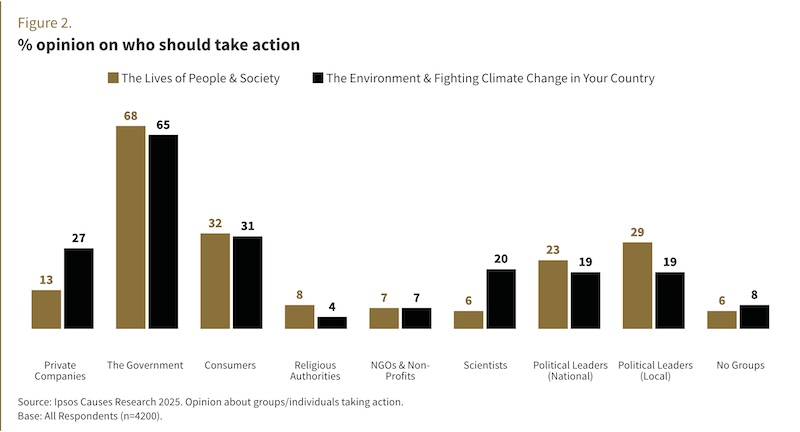
Insights from the UK effectiveness community suggest that purpose can indeed work—if it’s authentic and aligned with the brand’s core identity. Effie UK case studies often highlight campaigns tackling issues such as diversity, inclusion, and social impact, proving that brands can influence behaviour while still driving commercial outcomes. In fact, social-good initiatives have become a notable part of the awards landscape, with dedicated categories recognising campaigns that create positive change.
However, purpose alone isn’t enough. Experts argue that the most effective campaigns combine a clear social message with strong storytelling, emotional connection, and unmistakable brand presence. Data from recent Effie analyses shows that award-winning campaigns tend to generate stronger positive emotions, capture audience attention early, and achieve higher brand recall compared to non-winning work.
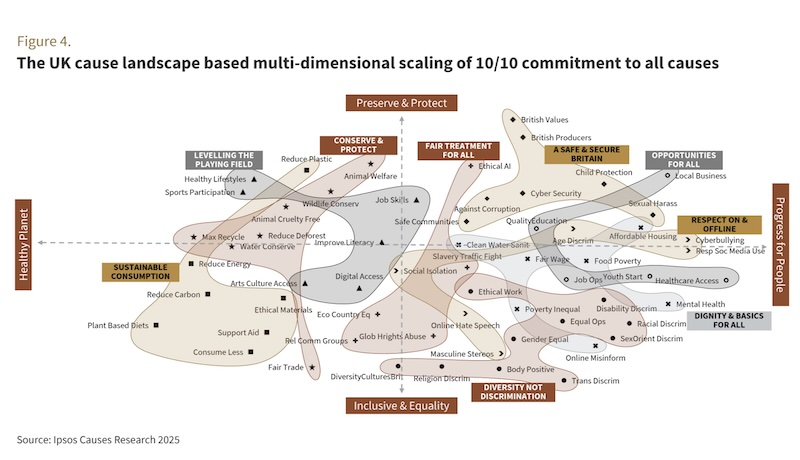
This balance between purpose and performance is key. Marketers are increasingly expected to demonstrate measurable business impact alongside social responsibility. Campaigns that succeed tend to embed their social message into the brand’s broader strategy rather than treating it as a short-term publicity move.
Ultimately, the lesson from the effectiveness world is clear: being a brand that does good can be worthwhile—but only when it’s done with credibility, creativity, and a clear link to real business outcomes. When purpose aligns with brand truth, it doesn’t just improve reputation; it can also drive lasting effectiveness.