


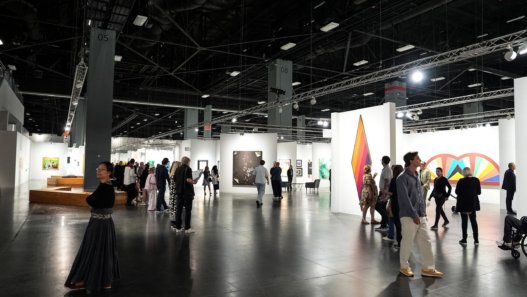
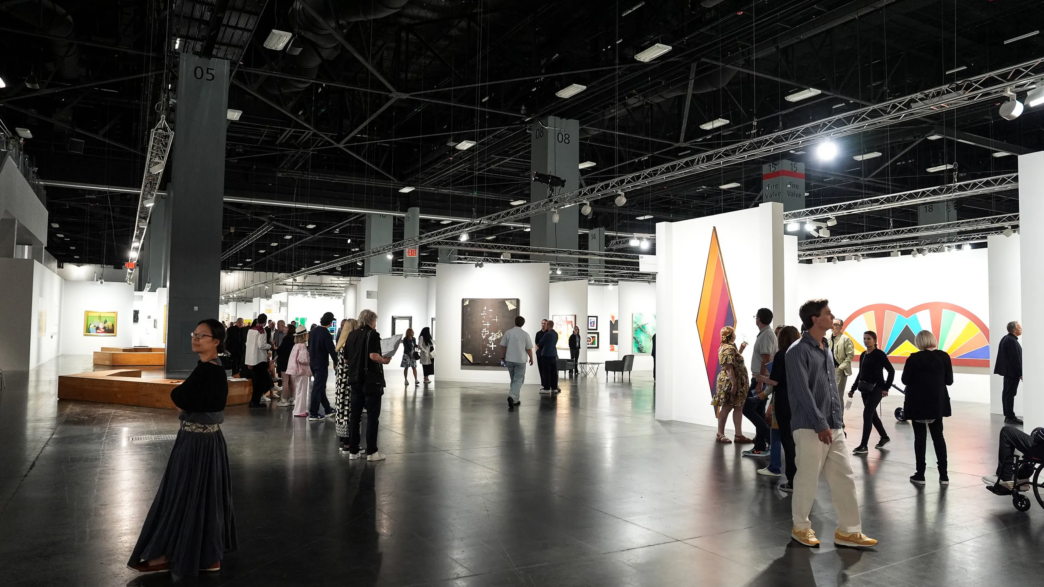
Art Basel Miami Beach returned this year with strong gallery presentations, including a standout group show from Stephen Friedman Gallery. Featuring new sculptures, paintings and works on paper, the exhibition showcased the global reach of the gallery’s programme, alongside a dedicated Kabinett presentation by Japanese artist Izumi Kato. Artists such as Sarah Ball, Caroline Walker, Yinka Shonibare CBE RA, Luiz Zerbini and Kehinde Wiley highlighted the fair’s range, bringing together tender figurative works, bold sculptures and thoughtful reflections on identity, landscape, sustainability and culture.
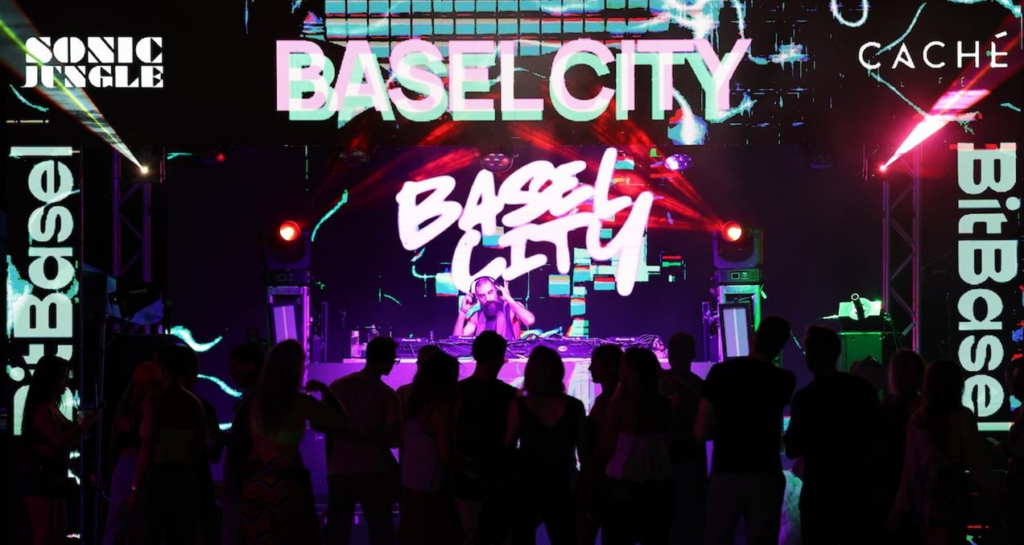
Yet beyond the booths, the fair’s atmosphere told a different story. What once felt like a sanctuary for contemporary art increasingly resembles a high-gloss spectacle. Longtime locals and industry insiders voiced a familiar sentiment: the art is still present, but often overshadowed by parties, brand activations and social-media moments. The people who come to seriously view and collect tend to arrive early and leave before the “content economy” takes over, reinforcing an unspoken truth — the real business gets done long before the DJs start.

This shift didn’t happen overnight. As Art Basel grew into a global cultural force, it attracted adjacent industries hungry for relevance. The result is a fair where hospitality budgets and influencer visibility sometimes outweigh curatorial rigor. Still, examples like TD Bank supporting booths at NADA show that brands can participate meaningfully — not by dominating the experience, but by enabling artists and galleries to shine without turning the fair into an advertising backdrop.

Despite the noise, this year proved that the core of Basel remains intact. Strong early sales and committed collectors showed that the demand for serious art hasn’t disappeared — it’s simply competing with a louder environment. To keep its identity, Basel doesn’t need fewer parties; it needs a clearer hierarchy where art leads and everything else supports. With galleries like Stephen Friedman presenting deeply considered work, the path forward is clear: turn down the spectacle and let the art reclaim center stage.